

TAFAKKUR 2026
A Muslim Civilisational Think Tank
"Will you not then reflect?"
Quran 6:50Held on 15th August 2026
About Tafakkur
An immersive intellectual experience for the next generation of thinkers and leaders.
The LUMS Religious Society invited institutions to nominate students for TAFAKKUR 2026, the inaugural edition of a Muslim Civilisational Think Tank at LUMS.
Designed for exceptional students aged 16 to 19, the programme used Islam as the primary analytical framework through which delegates examined contemporary civilisational questions.
Throughout the day, delegates engaged in practitioner-led masterclasses, collaborative policy labs, and strategic problem-solving exercises that cultivated analytical thinking and evidence-based reasoning.
More than a conference, TAFAKKUR equipped students to move beyond discussion towards thoughtful, practical solutions grounded in Islamic values.
Who Could Participate
Students aged 16 to 19 who demonstrated academic excellence, intellectual curiosity, and a drive to become change-makers. Each institution nominated exactly four students, one per specialised track.
The Four Tracks
Serious intellectual streams built for students ready to question, argue, solve, and present.
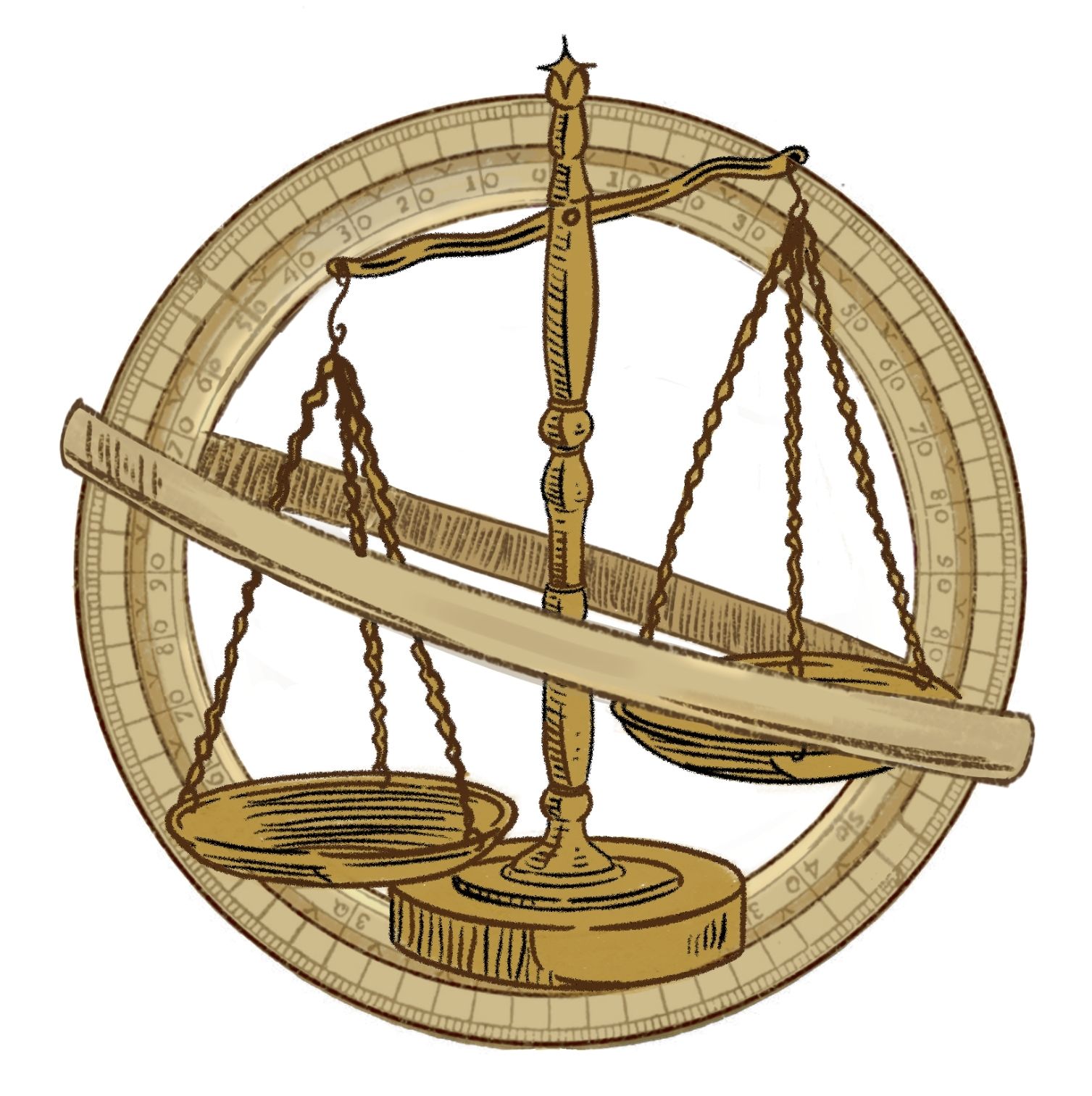
Economics
Why do resource-rich Muslim nations continue to struggle? Examine the political forces, institutions, and decisions that shape prosperity through critical discussion on geopolitics, diplomacy, trade, and Islamic governance.
How can principles of economics contribute to sustainable development in Muslim-majority nations?
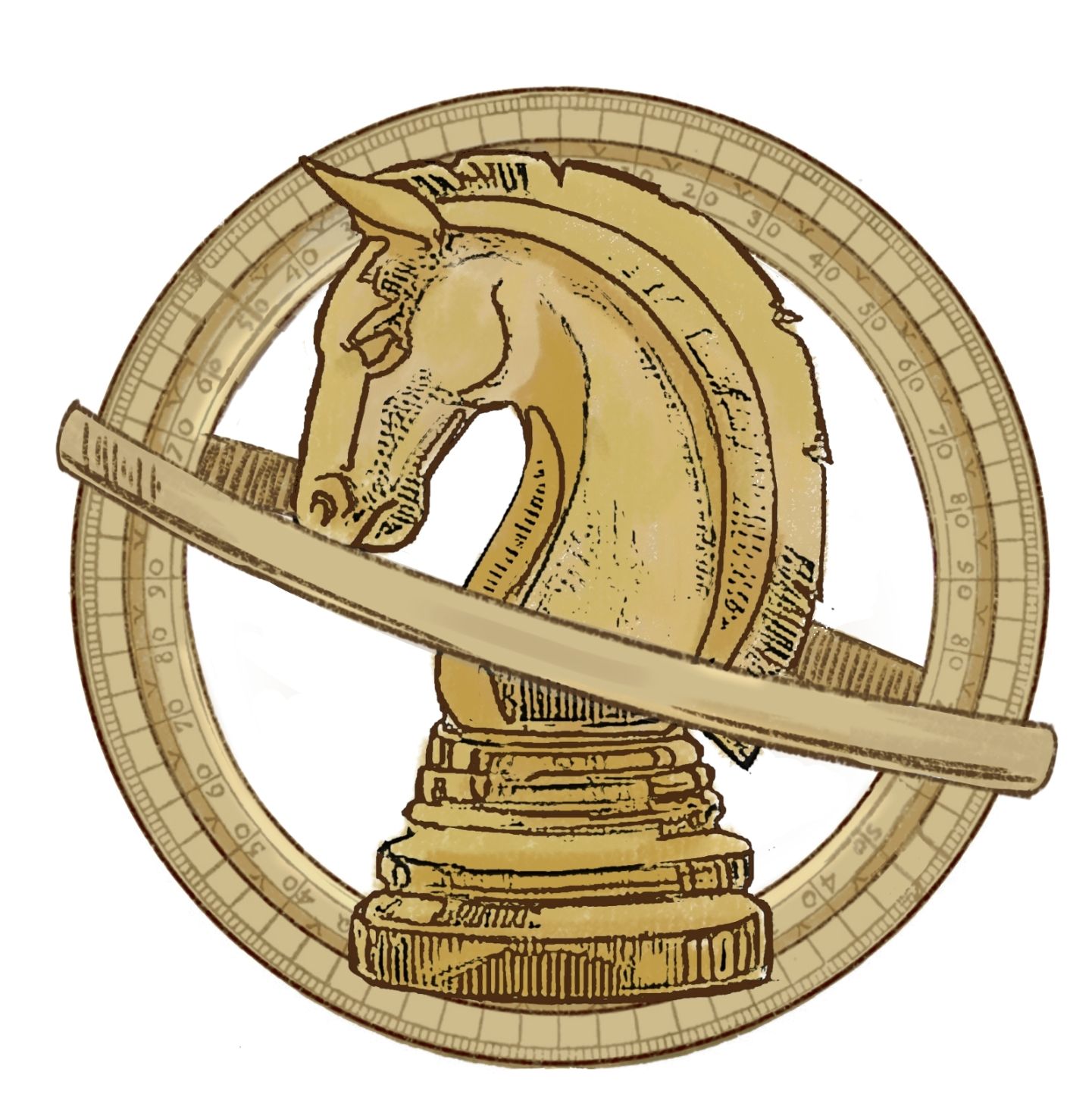
International Politics
Who shapes the global order and why? Analyse the political structures influencing the Muslim world, exploring how strategic economic thought can address contemporary challenges.
Critically examine the economic structures and institutions shaping the Muslim world.
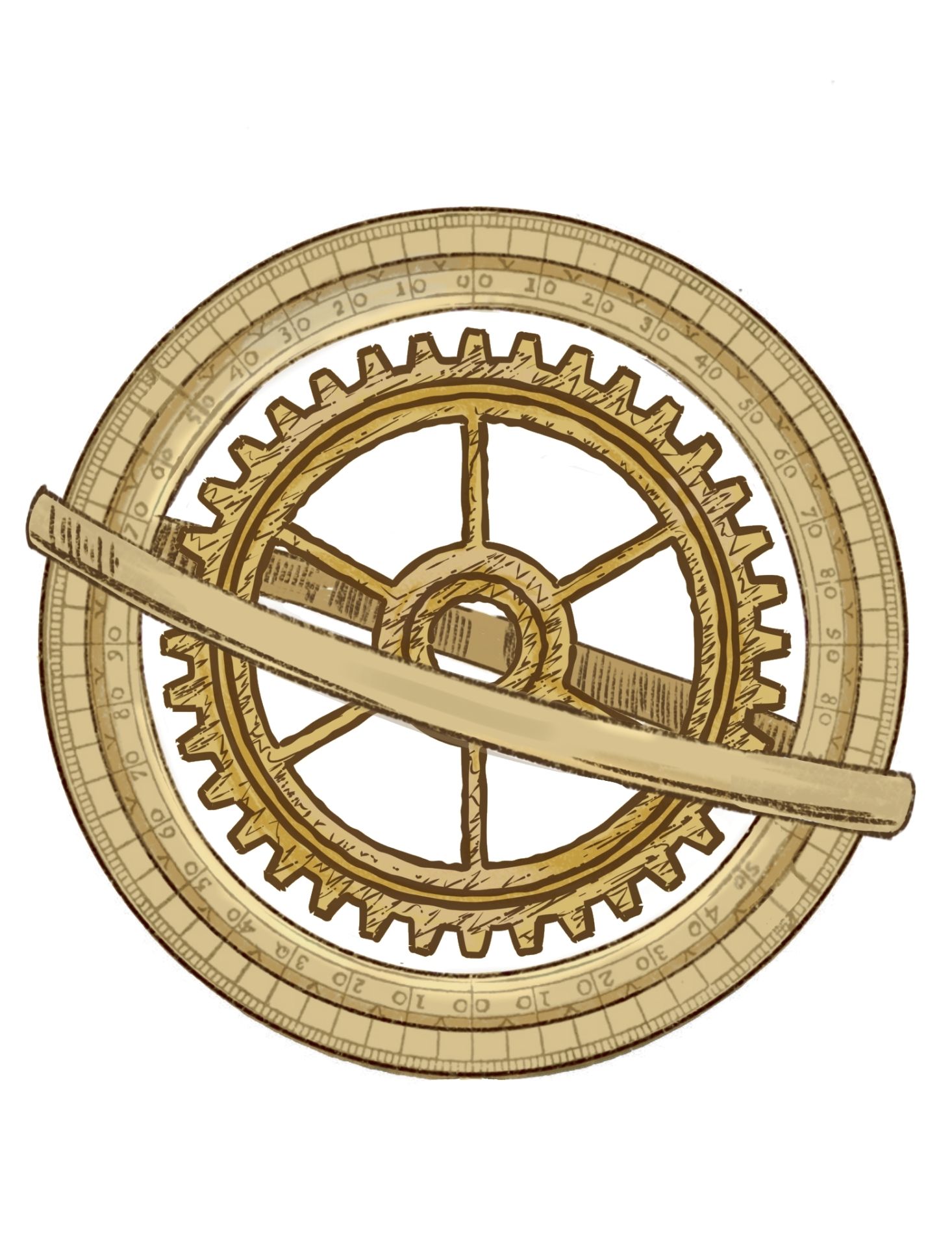
Technology
Will Muslims shape the future of technology or simply consume it? Explore the systems of knowledge that shape opportunities and ethical dilemmas in the digital age.
Can education revive a civilisation? Reflect on how systems of knowledge shape opportunities.

Education
Can education revive a civilisation? Reflect on how systems of knowledge shape opportunities and ethical questions surrounding the future of learning in Muslim societies.
How can critical inquiry informed by Islamic principles help us understand challenges facing the Muslim world?
Core Components
A full day of intellectual engagement, from masterclass to awards.
Masterclass
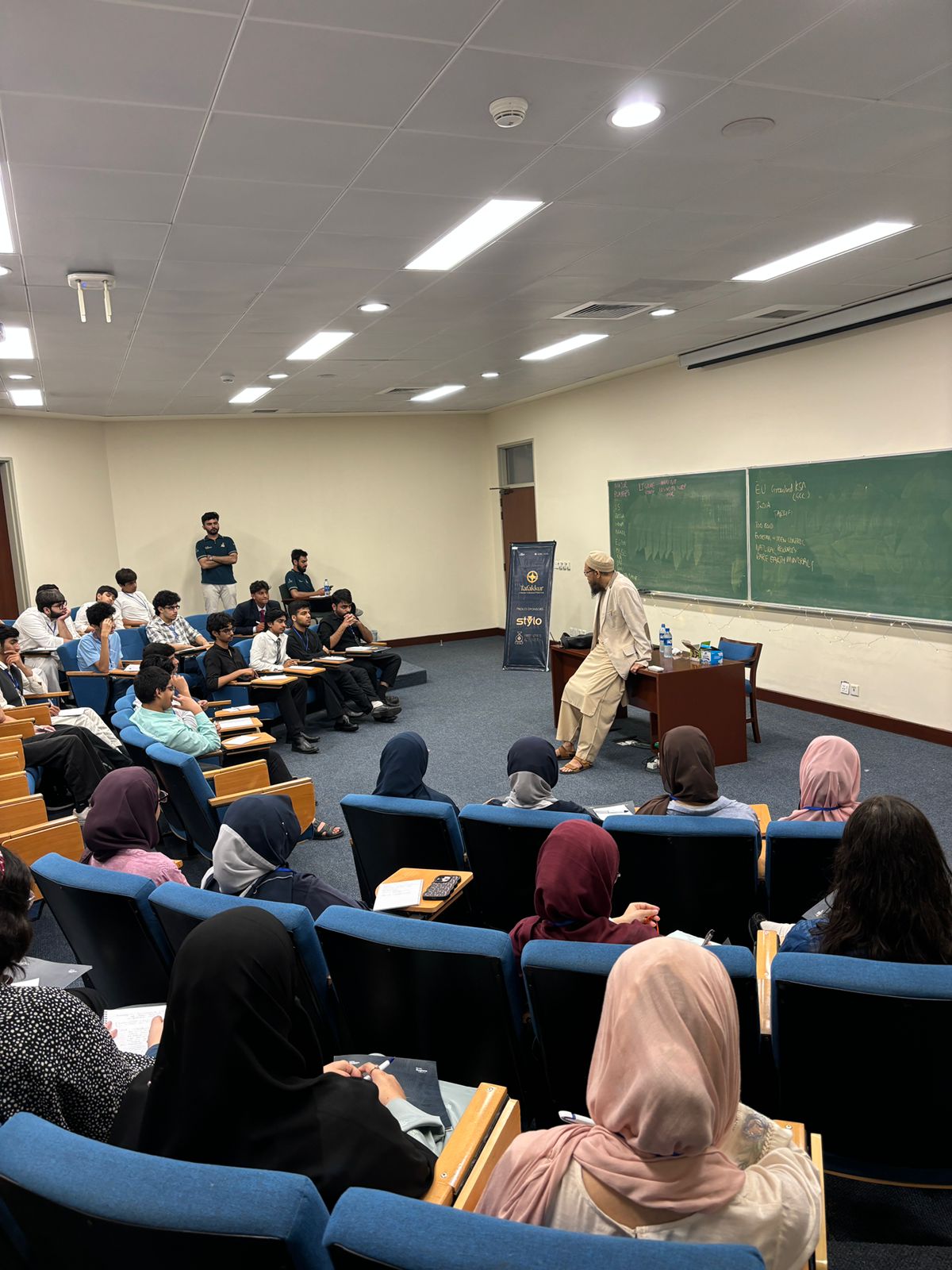
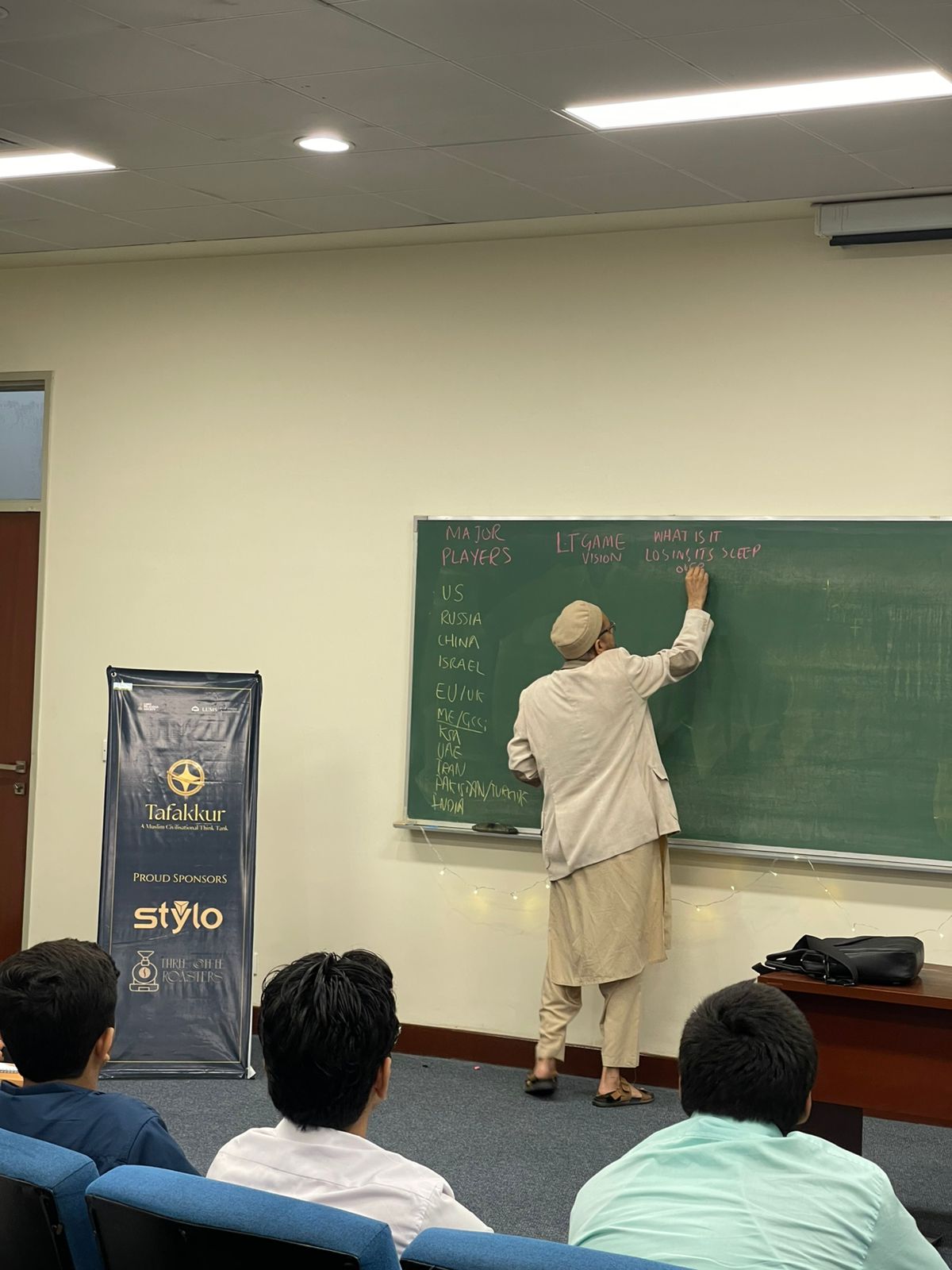
Practitioner-led track session. Each track hosted 25 participants in an interactive session led by an expert practitioner. Through dialogue and critical inquiry, participants built the intellectual foundation for The Lab.
The Lab
Debate, case study, and presentations. Teams of 5 worked inside their assigned track. Round 1: Debate with Islamic framing. Round 2: Case study diagnosis and practical proposals. Round 3: Team presentations with the best from each track advancing.
Closing Panel
Speakers closed the day with a conversational reflection that wove together themes from all four masterclasses.
Awards Ceremony & Dinner
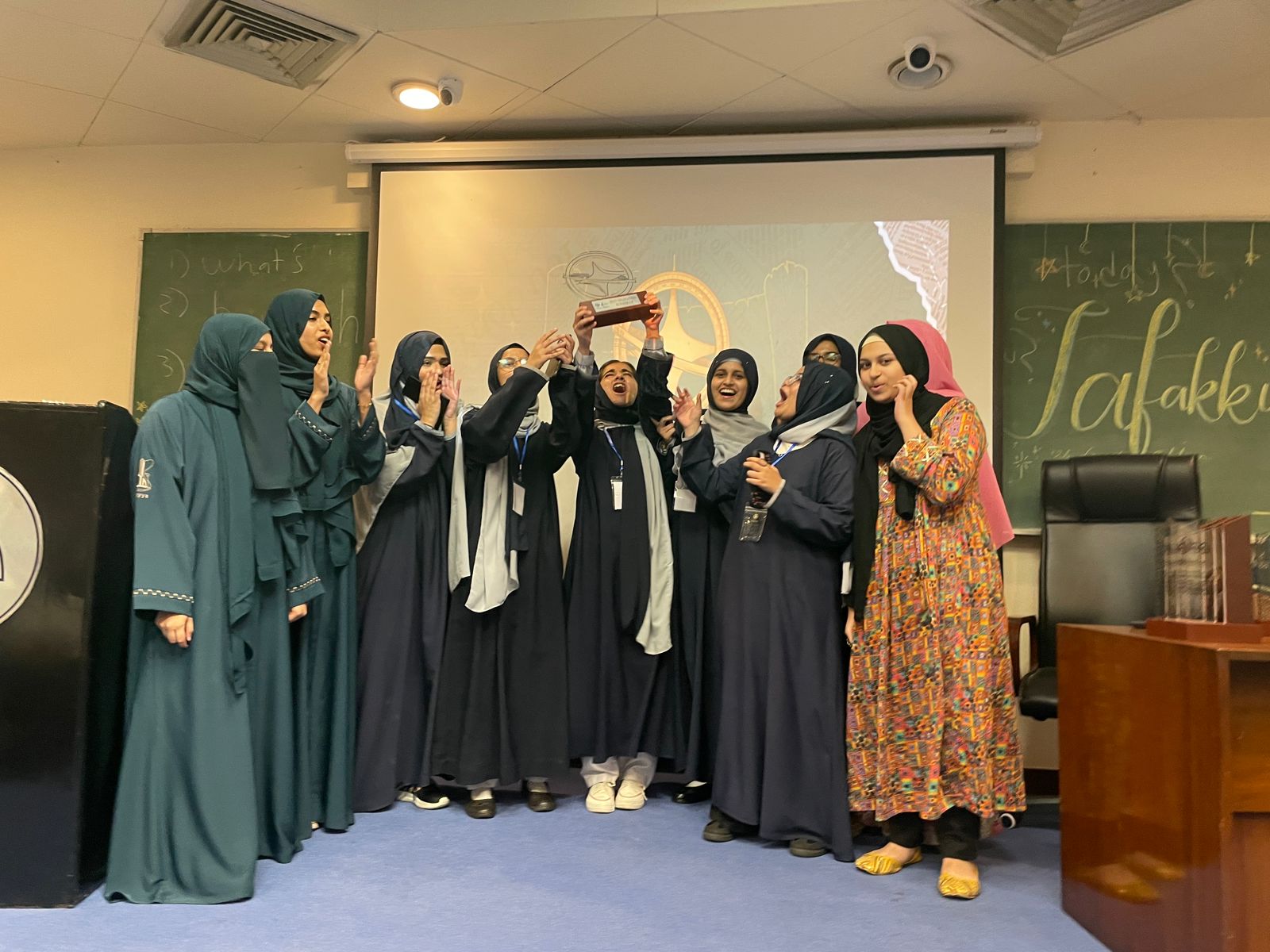
Recognition of outstanding participants and teams, followed by a closing dinner.
Highlights
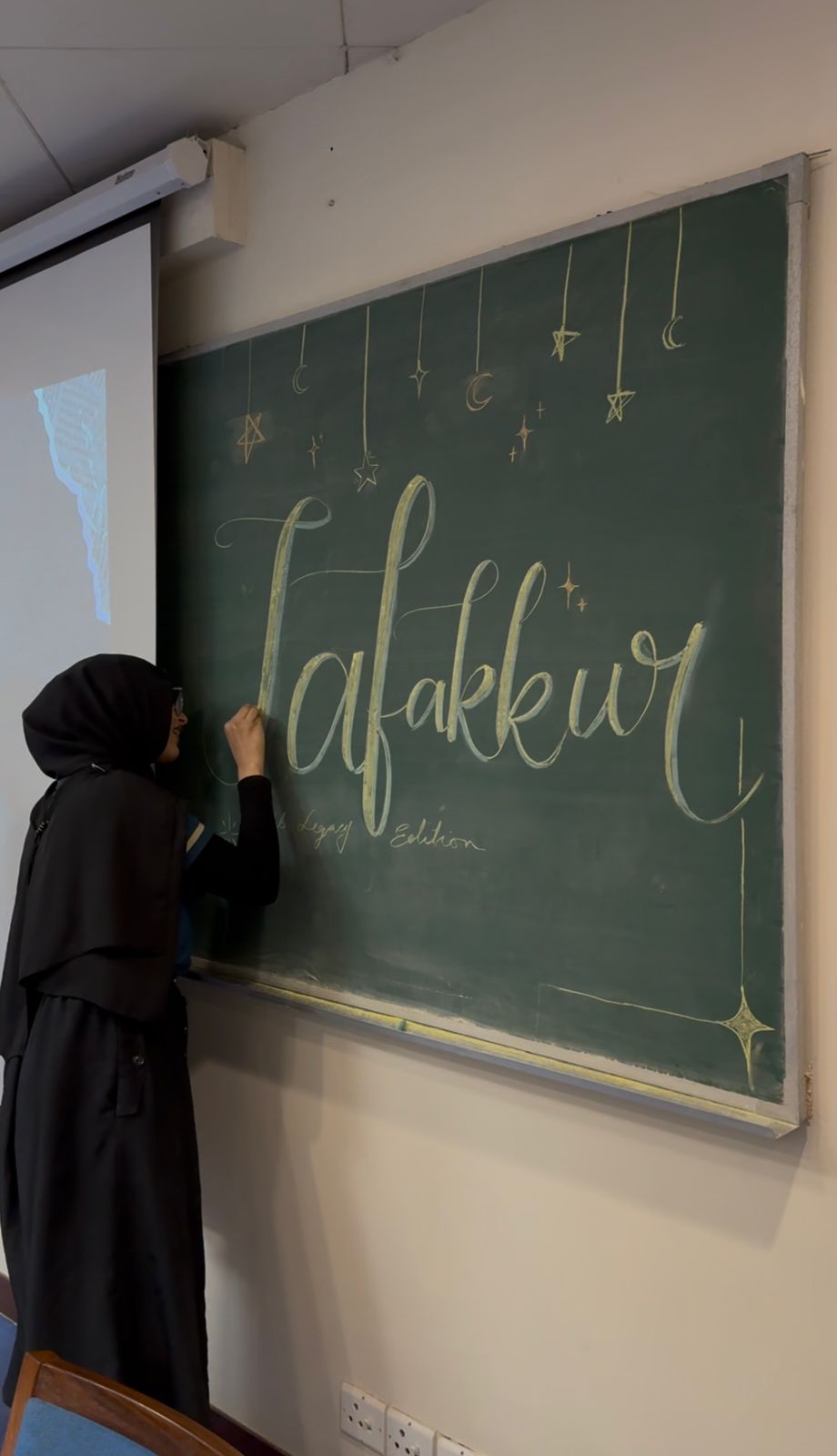
Moments from the Tafakkur day, from the masterclasses to the awards ceremony.
.jpeg)
.jpeg)
.jpeg)
.jpeg)
.jpeg)
.jpeg)
.jpeg)
Get in Touch
Reach out for queries and information about future editions.